
“Lovesickness” is not just a poetic term; it is a profound neurological state where your brain’s chemistry and physical structures mimic both addiction withdrawal and physical injury.
When you are “lovesick”—whether through unrequited love or a recent breakup—your brain undergoes four major shifts:
1. The Addiction Loop (Dopamine Crash)
Neuroscience shows that romantic love activates the Ventral Tegmental Area (VTA), the same reward center triggered by cocaine.
- The High: When you’re with a lover, the brain floods with dopamine.
- The Sickness: When that person is gone, the brain stays in “motivation mode,” desperately craving a “fix.”
This leads to the obsessive, intrusive thoughts and the feeling that you need them to survive.
2. The “Physical” Pain
This is the most startling part: your brain does not distinguish between a broken heart and a broken arm.
-
The Region: fMRI scans show that emotional rejection activates the Anterior Cingulate Cortex and the Insula—the exact same regions that process physical pain.
-
The Result: This is why lovesickness feels like a literal ache in your chest or a “punch to the gut.”
3. The OCD Connection (Serotonin Drop)
During intense lovesickness, serotonin levels often drop to levels similar to those found in people with Obsessive-Compulsive Disorder (OCD).
- The Result: This explains the “mental loops”—re-reading old texts, checking their social media, or being unable to focus on anything else. Your brain has lost its ability to regulate intrusive thoughts.
4. The Stress Cocktail (Cortisol Spike)
Without the soothing presence of your partner (which usually provides oxytocin), your brain triggers the HPA axis, releasing a flood of cortisol and adrenaline.
- The Body’s Response: High cortisol diverts blood away from your digestive system and towards your muscles (the “fight or flight” response).
- The Symptoms: This causes the “butterflies,” nausea, loss of appetite, and insomnia associated with being lovesick.

The Good News: Just like withdrawal from a substance, the brain eventually “recalibrates.”
source: gemini ai
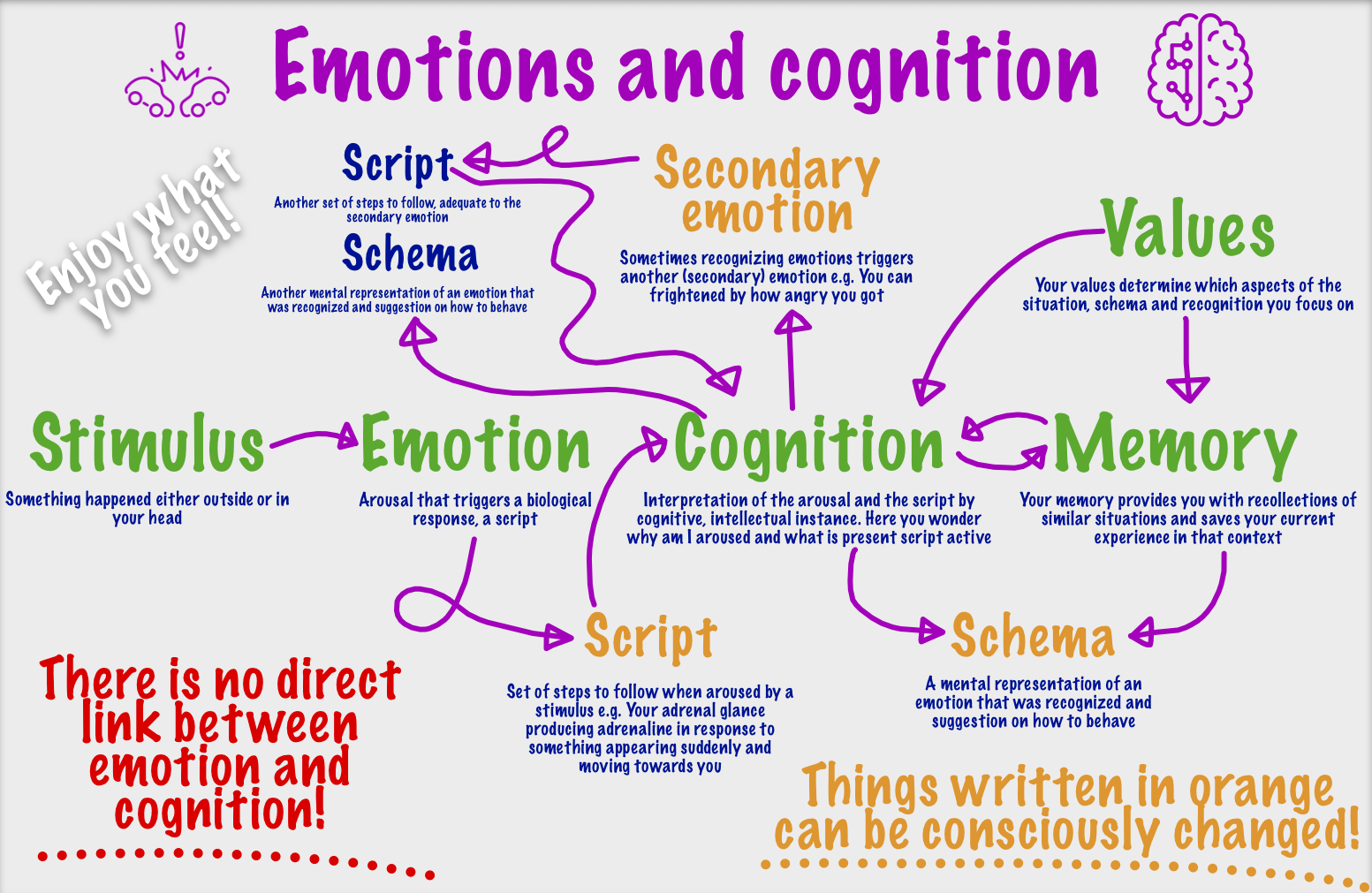
1. EMOTION REGULATION is your first line of defence

1. Tame the formidable EGO and make it work for you

1. The CEO of your mind is the PREFRONTAL CORTEX
1. The deadly twist of LOVESICKNESS

1. The guardian of your mind is the LIMBIC SYSTEM


0 Comments