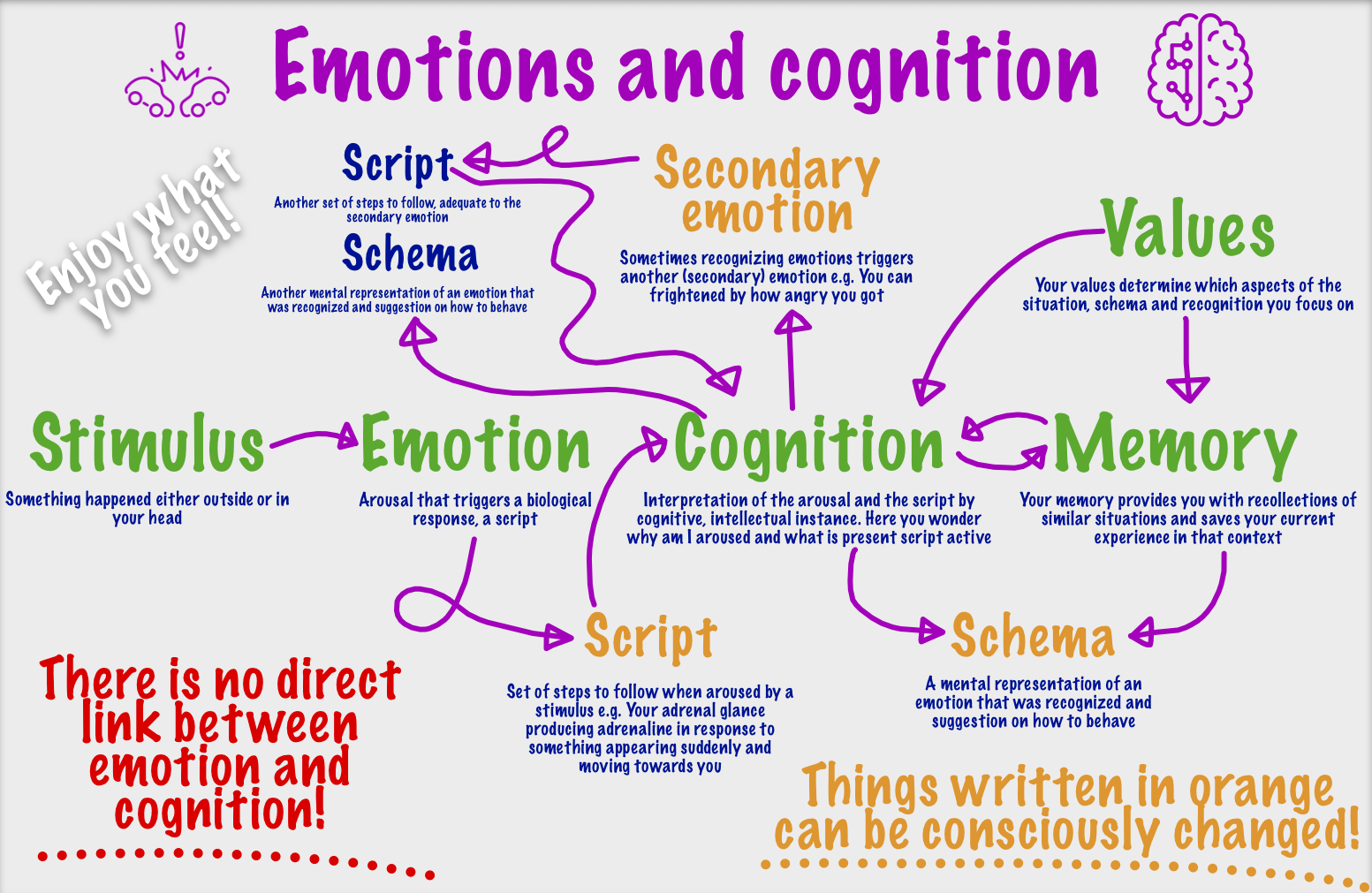
Emotion Regulation is the bridge where the Counselor and the Coach meet. It is the ability to manage and respond to an emotional experience with a range of strategies, rather than just reacting impulsively.
Biologically, it is the functional connectivity between the Prefrontal Cortex (The CEO) and the Limbic System (The Emergency Team).
1. The “Thermostat” vs. The “Thermometer”
-
The Thermometer (Dysregulation): Just reacts to the temperature. If it’s hot, the thermometer goes up. If it’s cold, it goes down. A dysregulated person is at the mercy of their environment.
-
The Thermostat (Regulation): It senses the temperature change, but it has a set goal. It kicks the cooling or heating systems into gear to bring things back to balance.
Regulation is the act of becoming a thermostat.
2. The Two Primary Strategies
Psychology identifies two main ways we regulate, and your dual-service model handles both:
A. Top-Down Regulation (The Coach’s Domain)
This uses the Prefrontal Cortex to “re-think” the situation.
-
Cognitive Reappraisal: Changing the story you tell yourself about a situation. (e.g., “My boss didn’t reply because he’s busy, not because he’s going to fire me.”)
-
Goal-Directed Focus: Using a future vision to endure current discomfort.
-
The Result: You use logic to quiet the emotion.
B. Bottom-Up Regulation (The Counselor’s Domain)
This starts with the Body and the Limbic System. When the emotion is too high for logic, you have to soothe the nervous system first.
-
Somatic Tools: Breathwork, cold exposure, or grounding.
-
Shadow Work: Understanding why the emotion is so intense in the first place, often linked to past trauma.
-
The Result: You calm the body to quiet the mind.
3. The “Window of Tolerance”
This is a vital concept for your clients.
-
Hyper-arousal: Fight/Flight (Anxiety, rage, panic).
-
Hypo-arousal: Freeze/Shutdown (Depression, numbness, dissociation).
-
The Window: The middle ground where you can feel your emotions without being overwhelmed by them.
Emotion Regulation is the skill of staying inside that window, or knowing how to climb back into it when you fall out.
4. Why Emotion Regulation Fails
In your practice, you’ll see that regulation fails for three main reasons:
-
Biology: High cortisol or low serotonin makes the “CEO” brain weak.
-
Lack of Skills: The client was never taught how to sit with a feeling (often due to childhood environment).
-
Trauma: The “Smoke Detector” (Amygdala) is calibrated to be too sensitive, seeing every small stressor as a life-threatening “lion.”
How Frontida Teaches It:
“We don’t teach you to not feel. We teach you to not be consumed. In counseling, we find the roots of the fire. In coaching, we give you the tools to manage the flame.”
1. EMOTION REGULATION is your first line of defence

1. Tame the formidable EGO and make it work for you

1. The CEO of your mind is the PREFRONTAL CORTEX

1. The deadly twist of LOVESICKNESS

1. The guardian of your mind is the LIMBIC SYSTEM


0 Comments