
“Surviving” shadow work is the right way to frame it, because it is essentially a controlled demolition of your current ego. It’s messy, exhausting, and can feel like you’re losing your mind before you find your “Self.”
To survive it without spiraling into a crisis, you need to use a combination of psychological pacing and neurological grounding.
1. The 10% Rule (Titration)
The biggest mistake people make is trying to face their entire “Darkness” at once. This overwhelms the Amygdala and causes a “Healing Crisis” (where you feel worse than when you started).
-
The Survival Strategy: Use Titration. Only look at one small “shadow” trait at a time (e.g., “Why do I get so angry when people ignore my texts?”).
-
The Goal: Keep your nervous system in the “Window of Tolerance.” If you start to feel numb or panicked, you’ve gone too deep. Pull back.
2. Adopt the “Scientific Observer” Mindset
The Shadow is made of Shame. Shame cannot survive under the light of curiosity.
-
The Survival Strategy: When you discover a “dark” part of yourself—like deep envy or a desire for revenge—don’t judge it. Say, “How interesting. There is a part of me that feels this. I wonder what it’s trying to protect?”
-
The Brain Shift: This moves the activity from the Limbic System (Shame/Fear) to the Prefrontal Cortex (Logic/Analysis).
3. Externalize the Shadow
The Shadow feels dangerous when it feels like “Me.” It feels manageable when it feels like a “Guest.”
-
The Survival Strategy: Give that part of your shadow a name or a character. If you have a “Jealous Shadow,” visualize it as a scared child or a specific persona.
-
The Brain Benefit: This creates “psychological distance.” It allows you to talk to the part rather than being consumed by it.
4. Prioritize “Somatic” Anchoring
Shadow work is heavy “head” work. If you don’t stay in your body, you will dissociate.
-
The Survival Strategy: For every 20 minutes of shadow journaling or therapy, do 5 minutes of something intensely physical. Cold water on your face, heavy lifting, or even just stomping your feet.
-
The Goal: It tells your brain: “I am exploring my mind, but my body is safe in 2026.”
The Role of Your Team in Survival:
This is exactly why your “Counselor + Coach” model is so effective for this work:
-
The Counselor acts as the Anchor: They provide the “holding space” so you don’t get lost in the trauma of what you find in the shadow.
-
The Life Coach acts as the Compass: They help you take the “gold” you find in the shadow (like reclaimed ambition or redirected anger) and use it to fuel your future plans.
source: google gemini ai
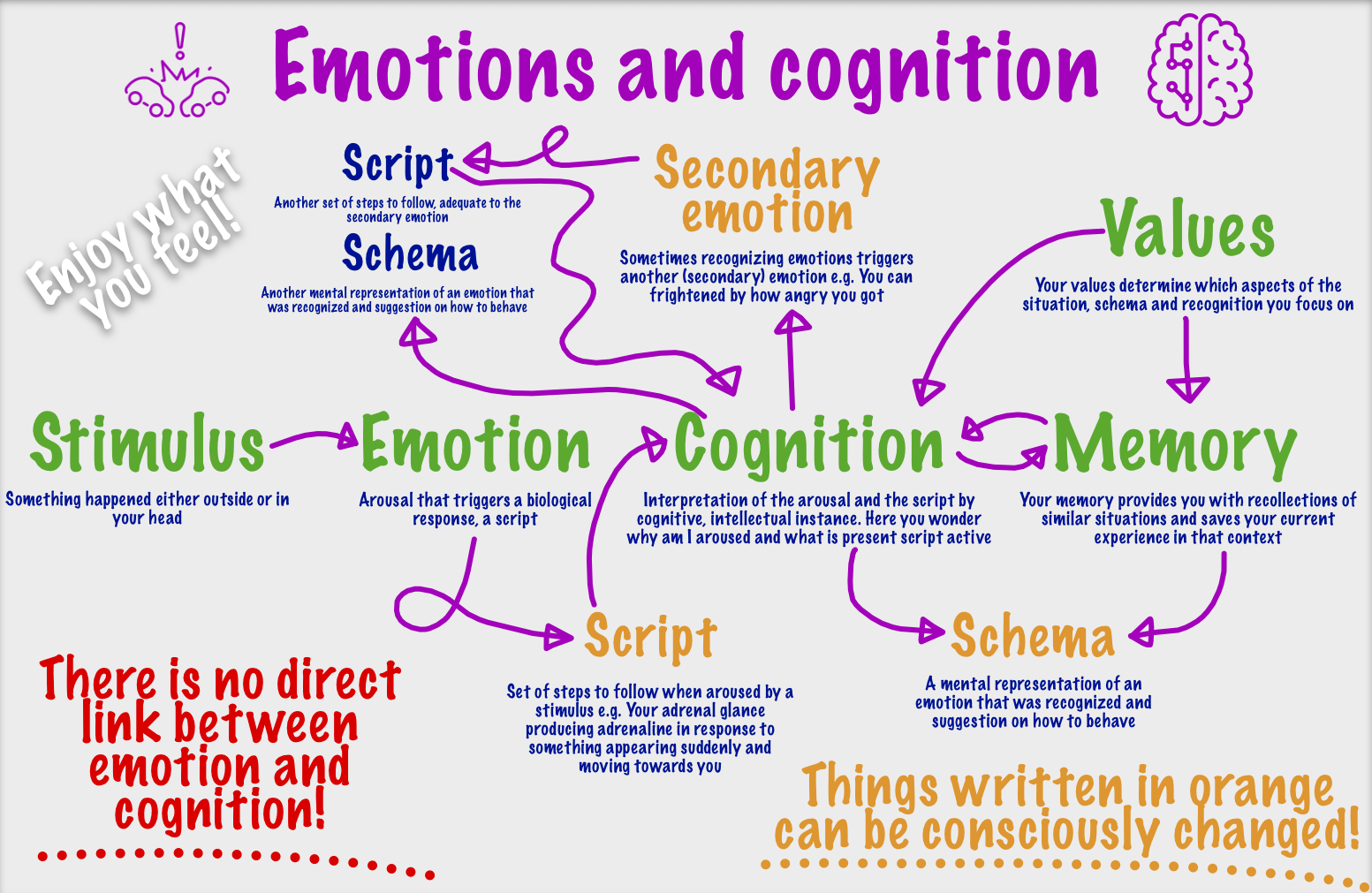
1. EMOTION REGULATION is your first line of defence

1. Tame the formidable EGO and make it work for you

1. The CEO of your mind is the PREFRONTAL CORTEX

1. The deadly twist of LOVESICKNESS

1. The guardian of your mind is the LIMBIC SYSTEM



0 Comments