
In the world of psychology and self-help, the “Narcissist vs. Empath” dynamic is often described as the “perfect storm” of human relationships. It’s less of a fair fight and more of a locking of puzzle pieces that unfortunately fit together all too well.
Here is the breakdown of why these two archetypes are so frequently pitted against each other:
1. The Supply and Demand Loop
The fundamental reason they clash is an extreme imbalance of needs:
-
The Narcissist has a constant “deficit” of self-worth. They require external validation, admiration, and a sense of superiority to feel stable.
-
The Empath has a “surplus” of emotional energy. Their natural instinct is to heal, understand, and give.
In the beginning, this feels like a match made in heaven. The empath feels “needed,” and the narcissist feels “adored.” Eventually, this shifts into an exhausting cycle where the empath gives until they are depleted, while the narcissist’s “cup” can never be filled.
2. The Fixer vs. The Project
Empaths are notorious “fixers.” When they see someone who is hurting or behaving poorly, they don’t see a villain; they see a wounded soul that just needs enough love to heal.
-
The Trap: The narcissist often uses “vulnerability” as a hook (the “sob story”).
-
The Conflict: The empath stays in the relationship far longer than they should because they believe that if they just try one more time or explain things one more way, the narcissist will finally “get it.”
3. Boundary Dissolution
This is where the friction turns into fire.
-
Narcissists generally view boundaries as obstacles or personal attacks. They see people as extensions of themselves.
-
Empaths often struggle to set boundaries because they feel the other person’s pain as if it were their own. They feel “guilty” for saying no.
Because the narcissist pushes and the empath yields, the relationship becomes a tug-of-war where the empath is eventually pulled over the line and loses their sense of self.
4. The Mirror Effect
Initially, the narcissist “mirrors” the empath’s goodness to win them over. Once the “devaluation” phase begins, the roles flip. The narcissist may project their own flaws onto the empath.
-
Example: The narcissist lies, but accuses the empath of being “untrustworthy.”
-
The empath, being naturally self-reflective, will actually consider if they are the problem, leading to a “gaslighting” effect that keeps them trapped in the conflict.
Comparison at a Glance
| Feature | The Empath | The Narcissist |
| Source of Power | Connection and understanding | Control and status |
| Reaction to Pain | “How can I help you?” | “How does this affect me?” |
| Accountability | Takes too much responsibility | Takes zero responsibility |
| Communication | Over-explains to find peace | Uses words to win or deflect |
A Note of Reality: In psychology, “Empath” is a personality trait, while “Narcissism” (specifically NPD) is a clinical diagnosis. While the internet loves this “Light vs. Dark” narrative, it’s important to remember that these are often patterns of trauma bonding rather than a fated battle.
source : gemini ai
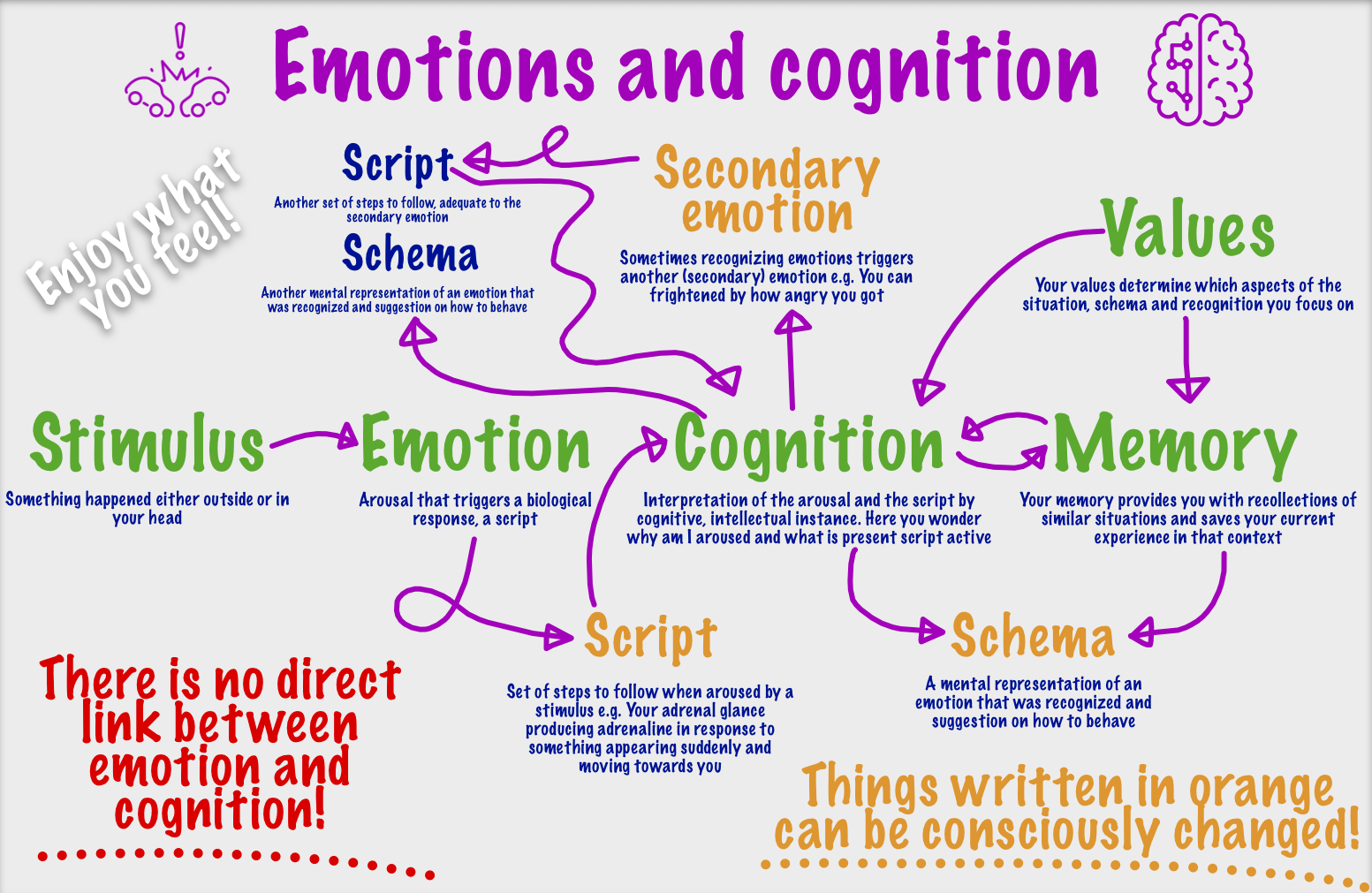
1. EMOTION REGULATION is your first line of defence

1. Tame the formidable EGO and make it work for you

1. The CEO of your mind is the PREFRONTAL CORTEX

1. The deadly twist of LOVESICKNESS

1. The guardian of your mind is the LIMBIC SYSTEM



0 Comments