
In psychology, the “Shadow” is a concept popularized by Carl Jung, referring to the hidden, repressed, or “darker” parts of our personality.
While Jung worked in the realm of the subconscious, modern neuroscience allows us to look at what is actually happening in the brain when we encounter these “shadow” traits.
In neurological terms, the shadow isn’t a single physical spot; it’s a conflict between different brain systems.
1. The “Shadow” Map: Where it Lives
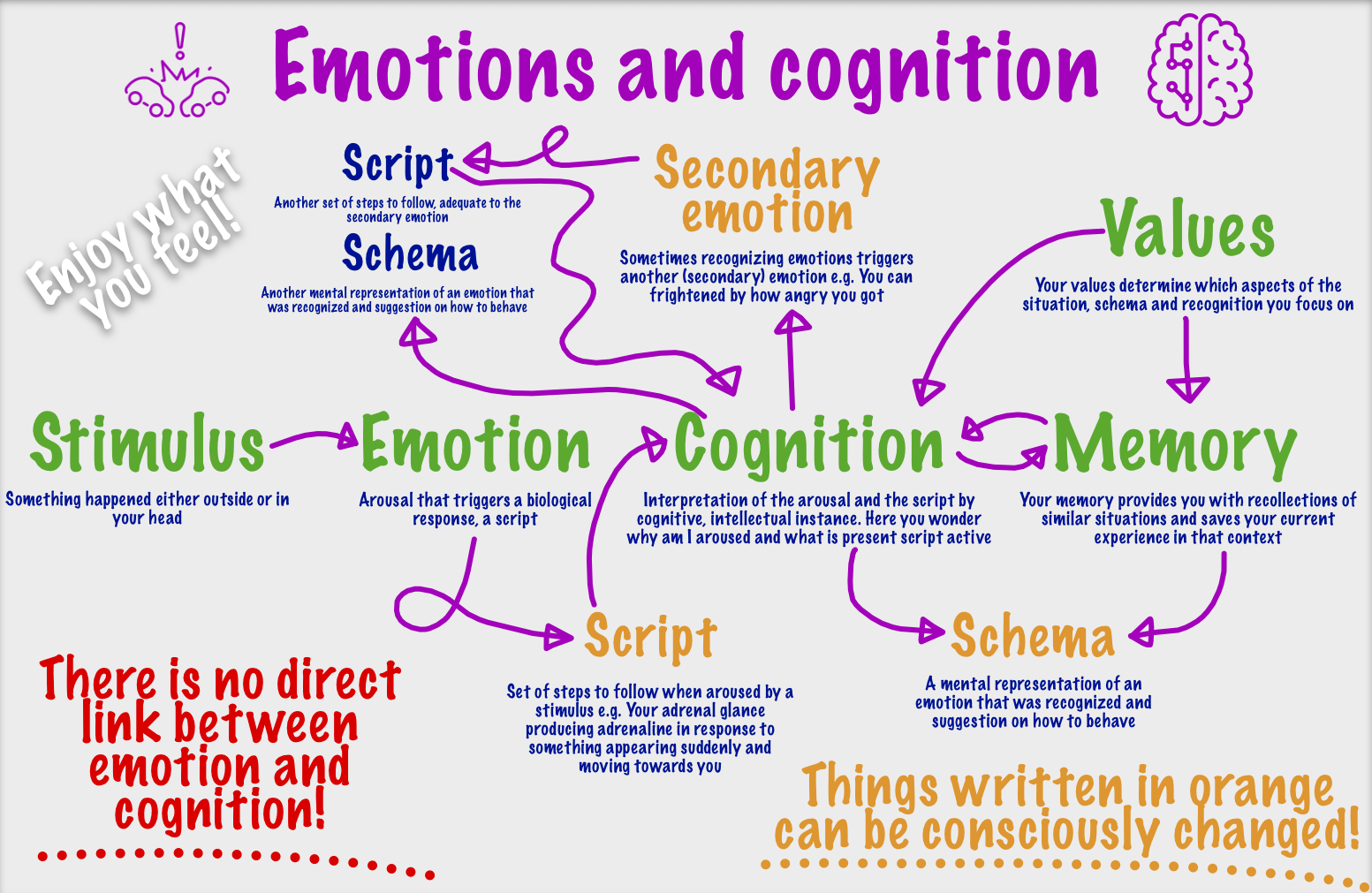
If we translate Jung’s “Shadow” into brain function, it’s primarily a tug-of-war between the limbic system and the prefrontal cortex.

2. How the Shadow Forms (Neurologically)
The shadow is essentially synaptic pruning and inhibition based on lived experience.
-
The Forbidden Impulse: As a child, you might feel intense anger.
-
The Social Penalty: If expressing that anger leads to punishment or loss of love, your Prefrontal Cortex learns to inhibit that circuit.
-
The Repression: Over time, the brain becomes so efficient at inhibiting this circuit that you lose conscious awareness of it. The neural pathway is still there (the Amygdala still fires), but the connection to your conscious awareness is “muted.”
3. “Shadow Work” and the Brain
When people talk about “integrating the shadow,” they are effectively practicing Neural Integration.
-
Projection: When you see your own hidden flaws in others, your brain is using a shortcut.
It’s easier for the brain to “see” a trait in the outside world than to bypass the heavy inhibitory filters the PFC has placed on that trait within yourself. -
Integration: By consciously acknowledging these “darker” parts, you strengthen the neural pathways between the Executive Center (PFC) and the Emotional Center (Limbic System). Instead of the amygdala “leaking” out in passive-aggressive behavior, the PFC acknowledges the feeling, allowing for conscious control.
The Gist: The “Shadow” is the collection of neural circuits that your brain has been trained to ignore to keep you socially acceptable.
source : gemini ai
1. EMOTION REGULATION is your first line of defence

1. Tame the formidable EGO and make it work for you

1. The CEO of your mind is the PREFRONTAL CORTEX

1. The deadly twist of LOVESICKNESS

1. The guardian of your mind is the LIMBIC SYSTEM



0 Comments