
When you experience trauma, your brain essentially shifts from “learning mode” into “survival mode.” It’s not a sign of a broken brain; it’s actually your brain’s attempt to adapt and protect you from future threats.
However, when trauma isn’t processed, that “survival mode” gets stuck in the “on” position. Here is the breakdown of the three key players in the brain that change during and after trauma.
1. The Amygdala: The “Smoke Detector”
The amygdala is responsible for spotting danger. When you’re traumatized, this area becomes hyperactive.
-
What happens: It starts sounding the alarm for things that aren’t actually life-threatening (like a loud noise or a specific smell).
-
The Result: You feel constantly “on edge,” jumpy, or prone to sudden bursts of anger or panic.
2. The Hippocampus: The “Librarian”
The hippocampus is supposed to process memories and give them a “time and date” stamp so the brain knows the event is over.
-
What happens: High levels of cortisol (the stress hormone) during trauma can actually shrink the hippocampus or impair its function.
-
The Result: The brain fails to file the memory away as “past.” Instead, the trauma feels like it is happening right now, which is why flashbacks feel so vivid and terrifying.
3. The Prefrontal Cortex: The “CEO”
This is the rational, logical part of your brain that helps you make decisions and regulate emotions.
-
What happens: Trauma tends to under-activate this area. The connection between the “CEO” and the “Smoke Detector” weakens.
-
The Result: It becomes much harder to “talk yourself down” from an emotional spiral. Logic goes out the window because the emotional brain has hijacked the system.
4. The Neurochemistry of the “Freeze”
When the brain realizes that “Fight” or “Flight” won’t work, it triggers the PAG (Periaqueductal Gray). This leads to:
-
Dissociation: Feeling numb or “spaced out.”
-
Endorphin Flooding: The brain releases natural painkillers to numb the physical and emotional pain of the event.
Can the brain heal?
The good news is neuroplasticity. The brain is incredibly resilient. Through therapies like EMDR, Somatic Experiencing, or even consistent mindfulness, you can actually “rewire” these pathways—calming the amygdala and strengthening the prefrontal cortex’s ability to regulate your system.
source : google gemini ai
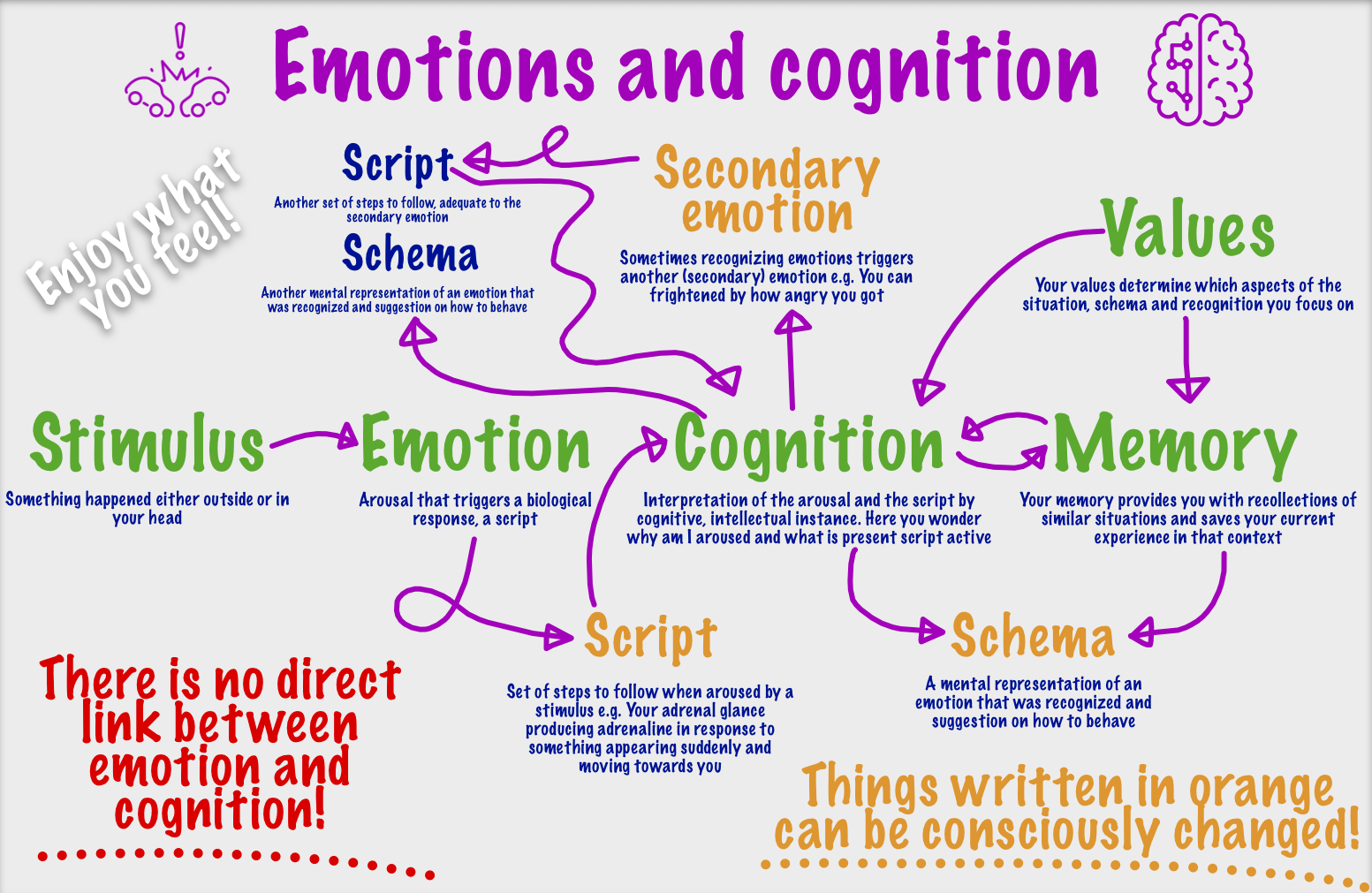
1. EMOTION REGULATION is your first line of defence

1. Tame the formidable EGO and make it work for you

1. The CEO of your mind is the PREFRONTAL CORTEX

1. The deadly twist of LOVESICKNESS

1. The guardian of your mind is the LIMBIC SYSTEM

0 Comments